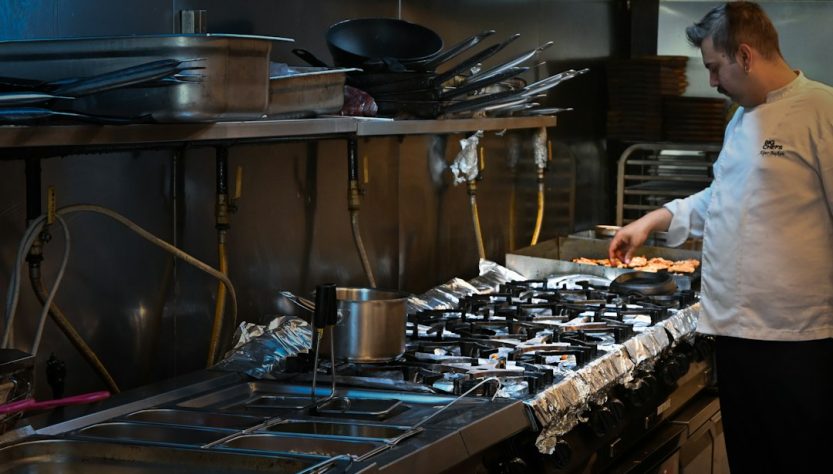
Commercial kitchens require consistent cleaning to maintain organized food preparation spaces and support everyday restaurant operations. Floors, tiles, walls, and cooking areas are exposed to grease, moisture, food particles, and heavy foot traffic throughout the day. Professional Deep Cleaning Florida services help address accumulated dirt and stubborn residue, keeping important kitchen surfaces cleaner and easier to maintain.
Importance of Comprehensive Kitchen Cleaning
Routine cleaning is essential, but daily maintenance may not reach every corner or remove deeply embedded grease. Cooking activities produce oils, steam, food splashes, and airborne particles that gradually settle on different surfaces.
A comprehensive cleaning approach focuses on visible dirt as well as neglected areas behind accessible equipment, around workstations, and along floor edges. Regular attention helps maintain a more organized environment and reduces the accumulation of difficult-to-remove residue.
Maintain Cleaner Commercial Kitchen Floors
Restaurant floors experience constant movement from employees, equipment, and food deliveries. Spilled cooking oil, water, sauces, and food particles can create stubborn stains and slippery areas.
Deep cleaning removes accumulated dirt using methods appropriate for the flooring material. Tile, concrete, and other commercial flooring surfaces may require different cleaning solutions and equipment.
Special attention should be given to corners, floor drains, edges, and areas beneath accessible appliances. Removing grease and debris from these locations helps support routine floor maintenance and keeps working areas presentable.
Remove Buildup from Tiles and Grout
Kitchen tiles are commonly installed on floors and walls because they are practical and relatively easy to maintain. However, grout lines can collect grease, dirt, moisture, and food residue over time.
Detailed tile cleaning addresses stains on the surface while focusing on grout joints where buildup may become difficult to remove. Suitable brushes and cleaning products can help restore the appearance of tile installations without unnecessarily damaging the material.
Damaged or deteriorating grout may require repair or replacement rather than ordinary cleaning. Regular inspections help identify these maintenance needs before they become more extensive.
Clean Walls and Splashback Areas
Walls near cooking stations are frequently exposed to grease splashes, steam, and food particles. Over time, these deposits can create discoloration and make kitchen interiors look poorly maintained.
Professional cleaning focuses on suitable washable wall surfaces, splashbacks, and areas surrounding preparation stations. Cleaning methods should match the material to prevent damage to paint, protective coatings, or decorative finishes.
Corners, joints, and spaces around sinks also deserve attention because residue can collect in these locations during regular operations.
Deep Clean Cooking Areas and Equipment
Cooking equipment requires detailed maintenance because ovens, grills, fryers, ranges, and stovetops are exposed to high temperatures and frequent food contact.
Grease and burnt food particles can accumulate on exterior surfaces, removable trays, racks, and accessible components. Appropriate cleaning products help loosen deposits and remove residue while protecting equipment materials.
Sensitive electrical components, heating elements, and control panels should be handled according to manufacturer instructions. Proper cleaning practices help preserve equipment condition and support reliable kitchen operations.
Address Food Preparation and Washing Areas
Preparation counters, sinks, worktables, and storage surfaces should receive consistent attention. Food residue and grease can collect around edges, joints, handles, and other frequently used areas.
Cleaning removes visible dirt, while food-contact surfaces must also be sanitized using suitable products and recommended contact times. Storage shelves and cabinet interiors should be inspected regularly for spills, crumbs, and accumulated debris.
Choose Appropriate Cleaning Methods
Every kitchen surface has different maintenance requirements. Stainless steel, ceramic tiles, glass, concrete, and coated materials may respond differently to cleaning chemicals and abrasive tools.
Using compatible products helps reduce the risk of corrosion, scratches, discoloration, and other surface damage. Professional cleaners should follow product instructions and use appropriate protective equipment throughout the process.
Create a Consistent Cleaning Schedule
Daily housekeeping should address spills, food particles, and frequently used surfaces. Periodic deep cleaning can focus on stubborn grease, grout lines, walls, floors, and hard-to-reach cooking areas.
The ideal schedule depends on kitchen size, cooking volume, equipment usage, and operating hours. A structured maintenance plan helps restaurants manage cleaning requirements while minimizing disruption.
Support Long-Term Kitchen Maintenance
Clean floors, tiles, walls, and cooking areas contribute to a more organized commercial kitchen. Combining routine housekeeping with detailed professional cleaning helps restaurant owners maintain their facilities, protect surfaces, and support consistent food preparation practices.